
Request a quote or give us a call 317-625-9595

Synchronizing QR Codes and RFID Labels
Building a Single Source of Truth for Smart Packaging
Single Source of Truth
In the evolving world of product labeling, manufacturers are increasingly relying on both QR codes and RFID tags to improve traceability, reduce shrink, prevent theft, and enhance the customer experience. However, these technologies are often treated as separate components in the labeling process—created by different systems, encoded with different data, and often misaligned in their purpose.
At The New Label, we believe there’s a smarter path forward: developing a unified system that synchronizes QR code data and RFID chip encoding from a single source of truth. This emerging approach can transform how brands manage data accuracy, theft prevention, and supply chain transparency.
Why Dual Labeling Needs a Unified Data Source
Today, QR codes and RFID tags are commonly generated by separate data inputs. This means:
-
A QR code might link to product details or a digital experience, while
-
The RFID tag is tied to backend inventory or logistics systems
The result? Inconsistent data, mismatched identifiers, and increased risk of error.
A unified solution would allow the QR code to serve as the central data point. For example:
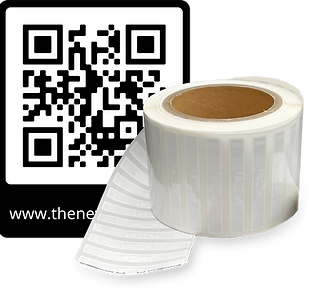
A QR code is printed with all relevant product data, and that same data is simultaneously encoded onto the RFID chip — creating alignment across both scannable formats.
This eliminates the need to manage two separate data streams and ensures consistency from the production floor to the retail shelf.

The Benefits of a Single Source of Truth
According to Radiant RFID, the key to scalable, data-driven labeling is adopting a single source of truth (SSOT) model. For labeling, this translates to:
1. Improved Data Accuracy
Errors introduced by mismatched or outdated data systems are virtually eliminated when both QR and RFID are generated from the same real-time source.
2. Theft Prevention
With retail giants like Kroger and Walmart investing in smart labeling to combat theft, combining QR codes and RFID offers dual verification. Walmart’s Scan & Go model shows how real-time product scanning can deter loss. By linking both technologies to a single source, brands can better track item-level movement.
3. Simplified Supply Chain Integration
Whether it's for internal logistics or customer-facing features, a centralized data model makes it easier to plug into enterprise systems, marketing platforms, or retail partner portals.
4. Scalable Digital Experiences
From interactive product content to post-sale support, QR codes are becoming the new front door to digital experiences. A synchronized RFID link ensures backend systems stay in sync with front-facing engagement.
Real-World Relevance: QR + RFID in Action
-
Retailers like Kroger are using RFID to better track inventory and reduce theft by validating stock movement and product placement (source)
-
Walmart and Sam’s Club are combining QR codes and AI for theft deterrence and faster checkout, reflecting the power of hybrid labeling systems
These trends show that leading retailers already see the value in linking product identifiers to reduce friction and loss.

What’s Next for The New Label?
We’re actively exploring the development of a synchronized labeling system that enables QR code data to serve as the primary input for both visual scan and RFID encoding. The goal: to make dual-format labeling seamless, secure, and scalable.
If your business relies on product-level traceability, compliance, or theft prevention, we’d love to hear how you're using smart labels today — and how we can build toward a more unified future.